Published: 23 January 2026
Yas Island was entertainment first. Theme parks, race weekends, destination dining. A place people visited that purposefully grew into one of Abu Dhabi’s most active residential markets.
A Market that Performs
Yas Island's appeal is easiest to see in the numbers, particularly when viewed against current property for sale in Abu Dhabi.
Abu Dhabi's property market closed 2025 with approximately AED 94 billion in total transactions, the strongest year on record (arabianbusiness.com). Yas Island consistently ranked as the most active submarket throughout. Apartments on the island currently deliver gross rental yields that have stabilised at 7 to 8 per cent, staying strong despite new supply entering the market. These yields place Yas Island well above global averages for comparable waterfront or lifestyle developments.
Capital values have grown steadily. Certain segments of the island recorded year-on-year price growth of just over 8 per cent ( ValuStrat), showing measured appreciation rather than speculative spikes. The combination of yield and growth carries more weight than either figure alone when investors evaluate opportunities.
The tax structure strengthens the case. With no personal income tax or capital gains tax on rental returns, net yields stay intact in ways that buyers from Europe or North America immediately recognise as an advantage. What looks competitive on paper becomes more compelling once taxation disappears from the equation.
Infrastructure that Drives Value
Unlike many lifestyle developments, Yas Island's property market is backed by infrastructure that's already operational and expanding.
The island hosts some of the region's most established attractions. Ferrari World operates year-round. So do Warner Bros. World, SeaWorld, and the Yas Marina Circuit. Consistent footfall, long-term relevance. The 2025-26 Yas Waterworld expansion added 18 new rides, reinforcing the island's position as a credible entertainment destination.
The near-operational Etihad Rail will cut travel time to Dubai, positioning Yas Island between both cities in a way that matters to property buyers. Infrastructure of this scale changes how the island functions beyond entertainment.
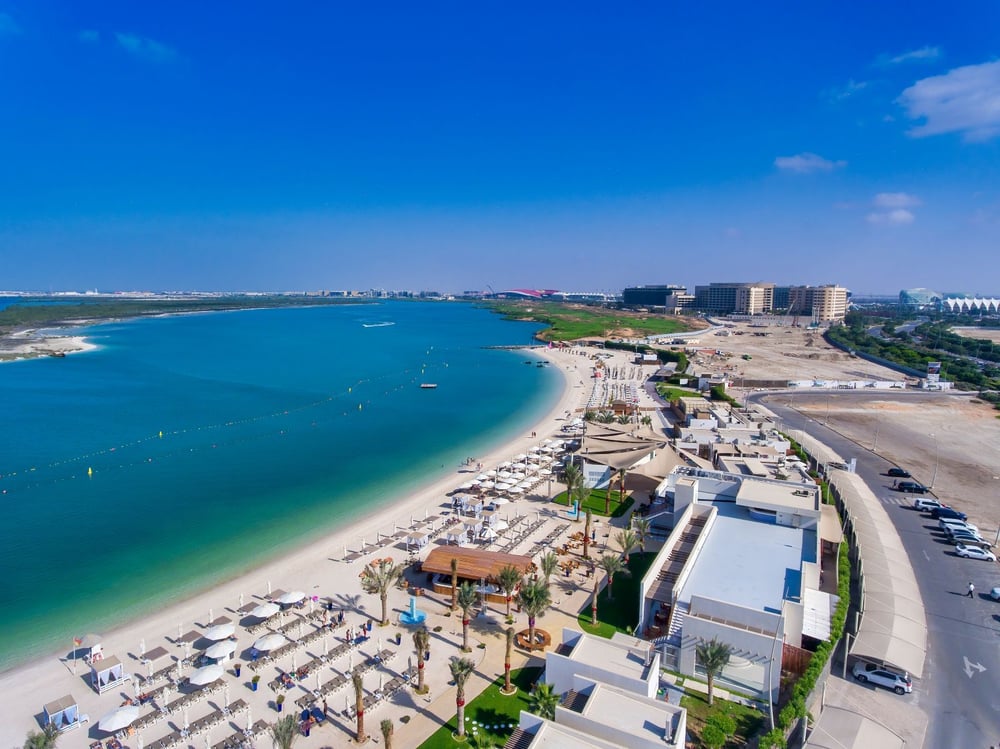
Residents rely on Yas Mall for everyday needs. It’s the largest retail destination in Abu Dhabi. Yas Bay Waterfront is now a residential district with restaurants, public spaces, and Etihad Arena, all of which create an environment that doesn’t empty out between events.
When it comes to logistics at scale, the island can handle what few developments can. The recent 2026 New Year's festival, an eight-day celebration programme by Shah Rukh Khan's Red Chillies Entertainment, showed this without compromising the residential quality of life.
This concentration of amenities reduces reliance on commuting elsewhere for entertainment, dining, or daily services. Property value on Yas Island is driven as much by how well the island functions day to day as it is by headline attractions, freehold ownership, and the tax-free environment.
Location without Compromise
Yas Island sits on the Dubai side of Abu Dhabi, placing it within reach of both cities. Zayed International Airport is less than ten minutes away, making it attractive to international business travellers and frequent flyers. The drive to Dubai currently takes around an hour. The Etihad Rail connection will reduce timing significantly once fully operational.
Ownership and Residency
Yas Island is a freehold zone with no restrictions on foreign buyers, regardless of nationality. The Golden Visa adds to the appeal, with qualifying property purchases linked to long-term residency. Together, those factors continue to attract overseas buyers to the island.
What Buyers are Choosing
Buyer activity on Yas Island concentrates in a handful of established communities, many of which appear in Abu Dhabi Sotheby's International Realty's current listings.
Water's Edge attracts investors looking for rental yield. The canal-side location matters, but what drives returns is simpler. Unit sizes are manageable. Amenities are within walking distance. Apartments rent quickly. For buyers focused on income rather than living there themselves, these factors matter more than views.
Yas Acres pulls families and end users in the mid-market family segment. Four-bedroom villas typically sell around AED 5 million. Green space, schools nearby, and distance from high-traffic areas appeal to buyers planning to stay for years rather than sell quickly.
Noya and Noya Viva sit between apartments and villas. Townhouse buyers here want more space than an apartment without taking on a standalone villa's scale or upkeep. Demand has stayed largely domestic, from buyers who want modern layouts and a neighbourhood feel without premium villa pricing.
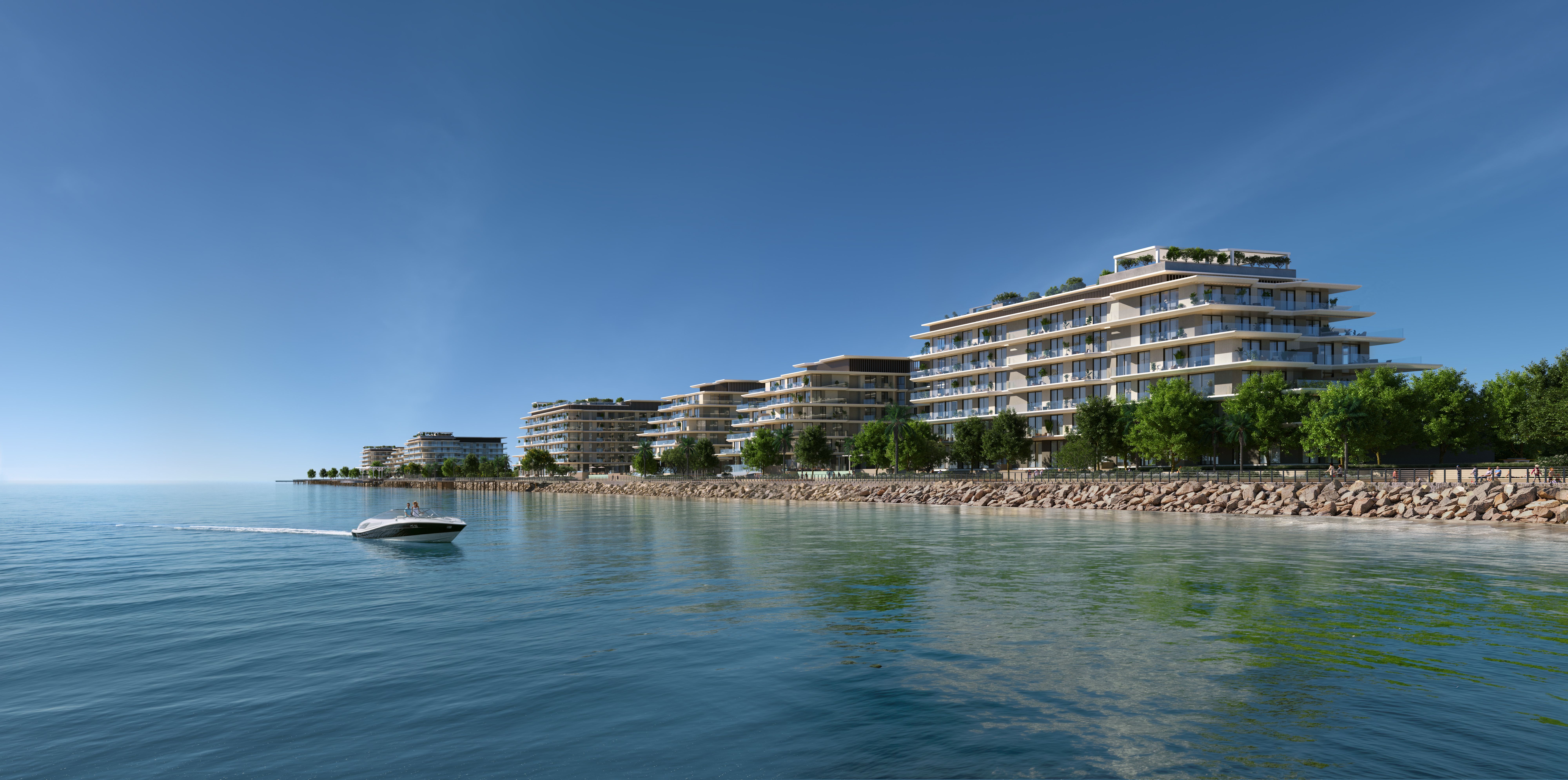
Yas Riva represents the island's upper end. This waterfront villa enclave offers private moorings, larger plots, and direct water access. Pricing sits in the AED 8-15 million-plus range, attracting buyers focused on privacy, scale, and long-term ownership rather than rental income.
Pricing in Context
Pricing across Yas Island is competitive when viewed against comparable lifestyle districts globally.
Yas Island pricing has climbed without the sharp spikes that signal speculation. One-bedroom apartments average AED 1.48 million. Luxury villas sit near AED 4.92 million, with per-square-foot pricing around AED 1,525. Steady growth, driven by people actually buying to live or rent, not flip.
Returns balance across asset types. Apartments average yields of around 6.77 per cent. Villas sit closer to 5.4 per cent, showing their end-user focus and longer ownership periods.
The 2026 Shift
Entering 2026, Yas Island has moved past speculative growth into what the market calls a measured up-cycle.
With 2025 closing at a record AED 96 billion in transactions across Abu Dhabi, the focus this year has shifted to delivery. Approximately 12,800 new homes are due for handover across the capital in 2026. The market is moving from off-plan to completed properties at a considered pace.
For Yas Island, this specifically means the properties that drove sales in 2023 and 2024 are now being occupied. Nearly 70 per cent of current transactions involve ready properties rather than off-plan contracts. Buyers are moving in rather than flipping. That shift from investor-led to end-user-led demand creates a different kind of market stability.
From Destination to District
What sets Yas Island apart now isn't any single metric but a cumulation of factors that show the island works as a complete residential district rather than a collection of attractions.
The entertainment ecosystem is still central, but it no longer defines the island entirely. Schools and healthcare access are established, transport links are improving and neighbourhoods are fully formed. These carry as much weight as race weekends or headline events.
That is what drives buyer decisions. Yas Island has moved past its early identity as a destination and into a phase where property choices are made based on how well the island functions as a place to actually live.
That's what keeps Yas Island at the centre of Abu Dhabi's property conversation.