Published: 20 January 2026
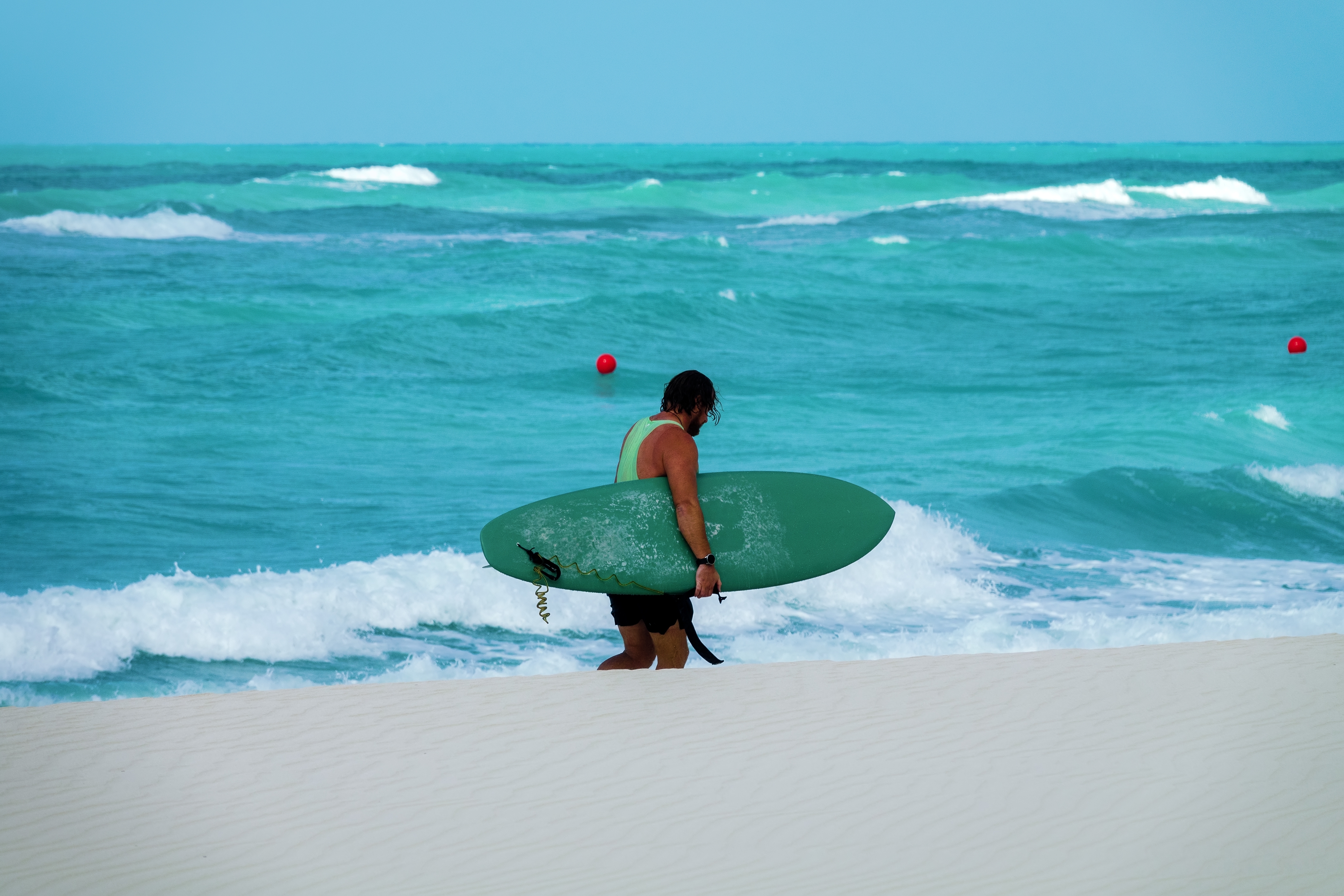
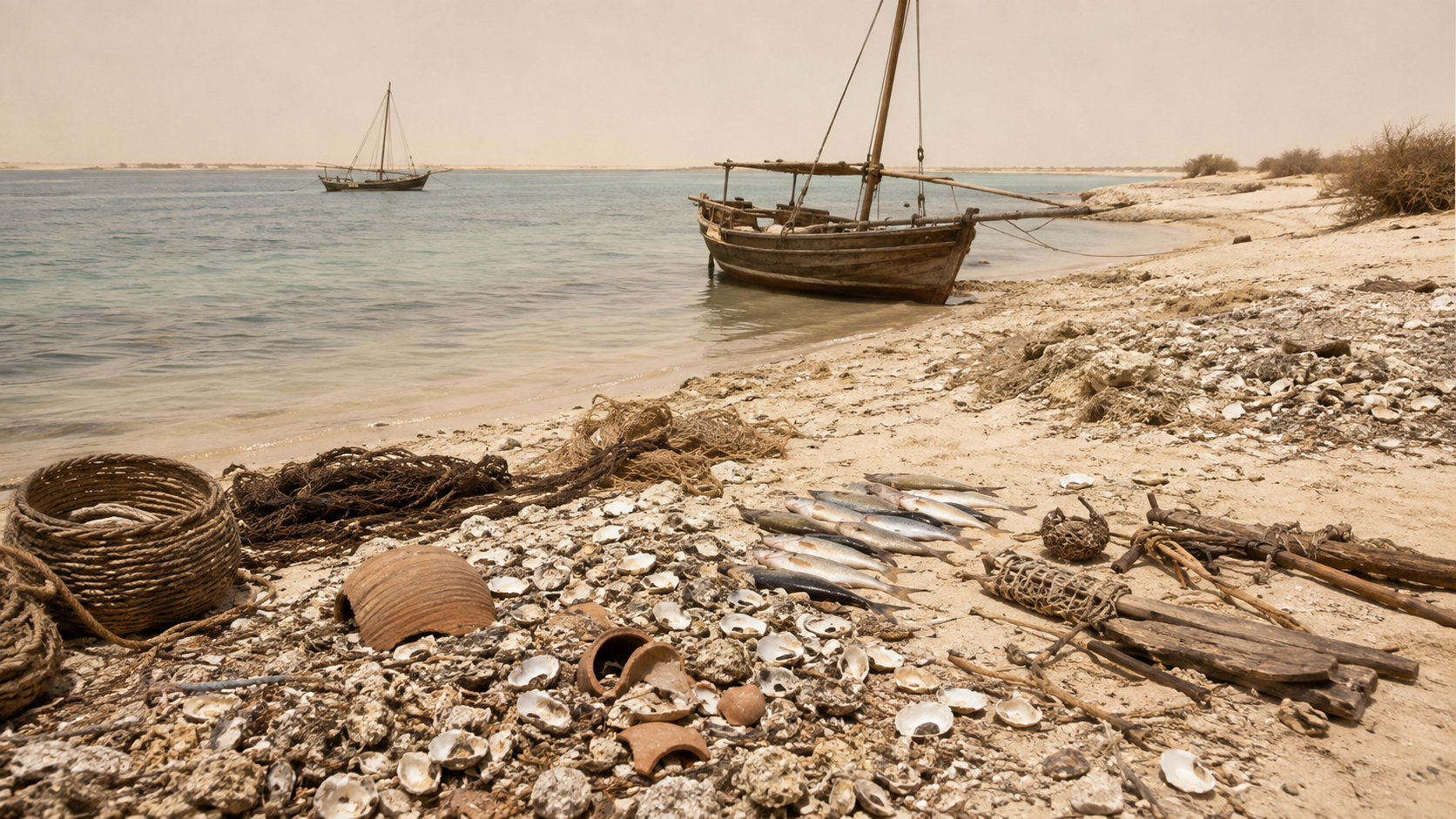
There are cities that face the sea, and there are cities shaped by it. Abu Dhabi belongs to the latter. Its 400-kilometre coastline runs wide and undisturbed, where the movement of the tide has guided life long before glass towers rose along the shore. This is not a place of crowded boardwalks or noise, but of beaches that are private by nature – soft sand, still water, and a sense of separation that defines the capital’s coastal life.
Privacy is more than a luxury in Abu Dhabi, it is a way of being. Villas open directly onto sand, hotels set their beaches behind landscaped dunes. The sea is the only sound that carries. Abu Dhabi’s private beaches are not just stretches of coast, but places built for stillness and for living beside the Gulf.
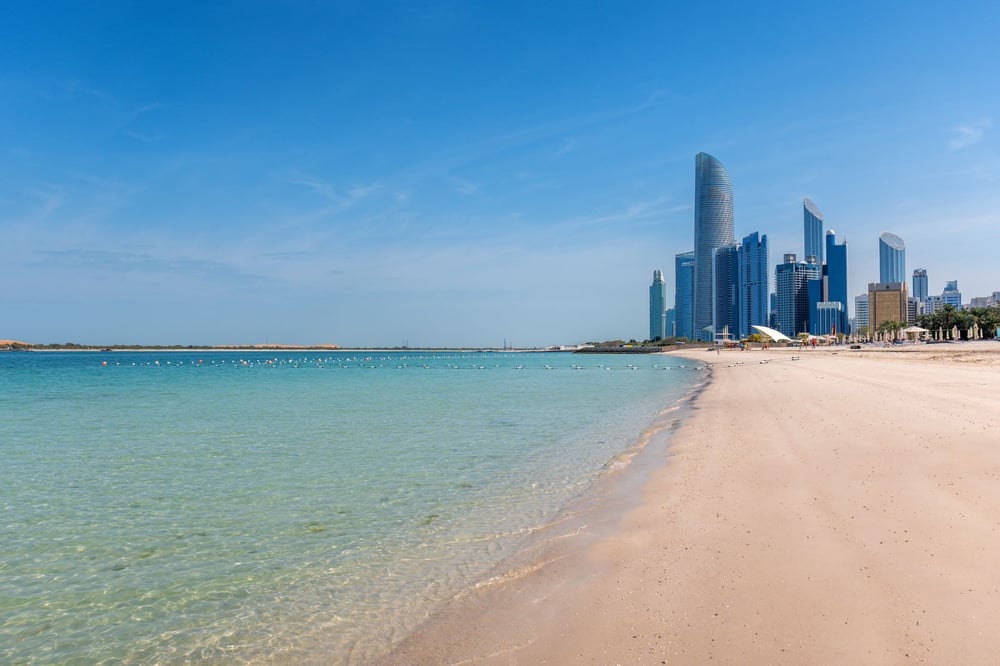
Saadiyat Island
Saadiyat Island brings together Abu Dhabi’s cultural vision and its best stretch of coastline. Long, pale ribbons of sand unfold here, protected by low-rise planning and environmental measures that keep them almost untouched. Hawksbill turtles still nest here, just as they have for generations.
The Saadiyat Beach Club is reserved for members and day guests, with individual cabanas, widely spaced loungers, and service that comes directly to seating areas. The beachfront is also used for private weddings and closed events. A few steps away, Park Hyatt Abu Dhabi and Jumeirah at Saadiyat Island Resort open onto private beachfronts that run into the distance.
In the residential communities of Hidd Al Saadiyat and Saadiyat Beach Villas, life slows to match the tide. Residents walk from shaded gardens to the sand, and evenings fall in tones of gold and blue. Nearby, the Louvre Abu Dhabi rises above the water, with the Guggenheim Abu Dhabi taking shape along the same coastline.
Zaya Nurai Island
Ten minutes by boat from Saadiyat lies Zaya Nurai Island, built entirely around seclusion. Accessible only by private transfer, it is a small island surrounded by clear shallows and wide sky.
The villas are few and far between, each one facing its own section of sand, framed by palms and afternoon light. The design is simple, with whitewashed walls, broad terraces, and glass that opens to the sea. Days unfold slowly here, with the tide setting the pace: a swim at dawn, lunch beneath the palms, a walk along an unending shoreline.
It is the kind of place where footsteps are the only marks on the sand, where silence becomes something tangible. Nurai offers a rare kind of escape.
Al Raha Beach
Before Saadiyat and Yas drew attention, Al Raha Beach set the standard for waterfront living in Abu Dhabi, balancing private residential sands with public stretches along its eleven-kilometre coastline.
Neighbourhoods such as Al Bandar, Al Zeina, and Al Muneera each have their own beaches, sheltered crescents where the sound of the sea carries through the air. Cafés sit beside marinas, paddleboards trace the surface of the water, and families gather at dusk to watch the light change.
The airport is minutes away, Yas Island just across the bridge, yet the pace here never feels hurried. For many, Al Raha remains the centre of Abu Dhabi’s waterfront life.
Al Gurm Resort
Further west, near the edge of the city, Al Gurm shows another side of the coast. The shoreline here breaks into channels and mangroves, and the development sits within that landscape.
Al Gurm has 73 private luxury villas and a five-star resort with 163 suites. Each villa has its own access to the water – a strip of sand or a small jetty, hidden among palms and shade. The resort sits within the same setting, offering beachfront and mangrove views.
Instead of waves, you hear birds in the trees and the movement of the tide beneath them. The nearby Mangrove National Park shelters one of the emirate's richest ecosystems, where herons nest and fish dart between roots. The natural setting creates Al Gurm's exclusivity – fewer homes, larger plots, an environment that can't be replicated.
Access Without Ownership
Not every beachfront experience in Abu Dhabi requires buying property. Several private beach clubs offer membership-based access to some of the city’s best coastline.
The Saadiyat Beach Club, with its pale stone architecture and shaded cabanas, remains the most sought-after membership in the emirate. On the Corniche, Nation Riviera Beach Club connects to the St. Regis Abu Dhabi by a private bridge, bringing beachfront access into the city centre. Emirates Palace Mandarin Oriental’s private shoreline runs for over a kilometre, bordered by gardens and views of the Presidential Palace.
These memberships work well for buyers who split time between cities or prefer not to commit to waterfront property, providing a middle ground between resort day passes and residential ownership.
Why Private Beach Access Matters
In Abu Dhabi's real estate market, properties with direct beach access command premiums that reflect more than views or proximity to water. Environmental regulations and coastal protection laws severely limit new beachfront development. Construction near turtle nesting grounds faces strict controls. Height restrictions and density limits govern what can be built along the shore.
This regulatory framework creates genuine scarcity. Communities like Hidd Al Saadiyat, Al Gurm, and Nurai Island hold value precisely because their beach access cannot be duplicated. As Abu Dhabi's population grows and coastal regulations tighten further, the supply of new private beaches is regulated by ecosystem protection and sustainable practices, not just market forces.
For buyers evaluating beachfront property, this matters beyond lifestyle appeal. Properties with established beach rights maintain premiums over comparable homes without coastal access. The gap tends to widen rather than narrow as supply stays limited and demand increases. True beachfront in Abu Dhabi isn't just about having the sea close today – it's about securing access to a resource that becomes rarer with each masterplan approved under current environmental protections.
The Enduring Coastline
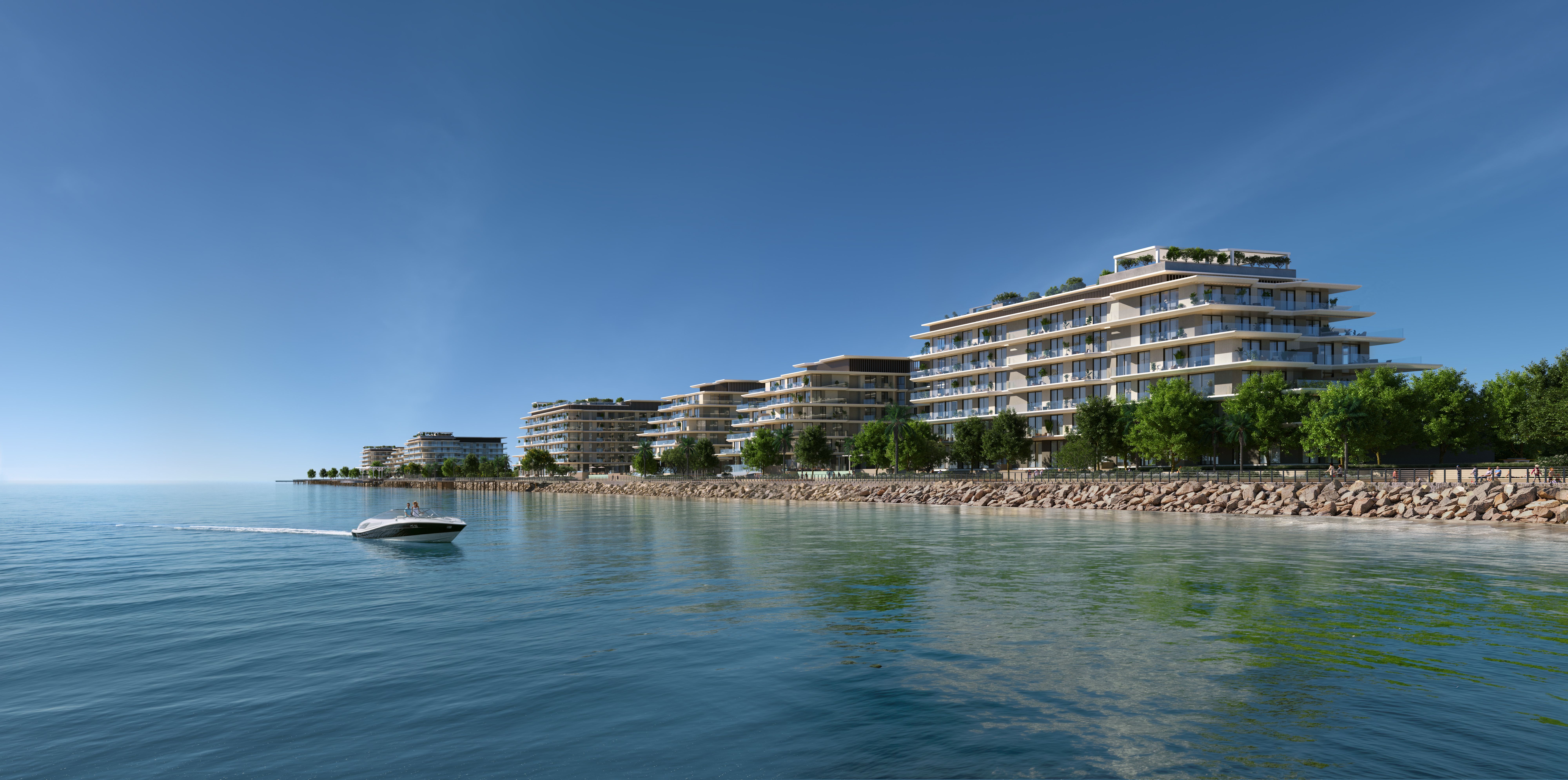
Some coastal cities build until the sea disappears behind concrete and glass. Abu Dhabi's relationship with the water has endured and is more patient. Development moves slowly, guided by conservation and a respect for space. The skyline stays rather low, the water remains visible, and the coast stays open.
Beachfront land is limited, and that scarcity shapes the experience. With fewer developments and strict density controls, beaches stay uncrowded. Access remains restricted to residents and members. The coastline feels open rather than built up.
Perhaps that is Abu Dhabi's quiet achievement. Where other coastlines rush toward reinvention, this one endures through simplicity: the sound of water against sand, the horizon unbroken, and the sense that here, the Gulf still belongs to the sea before anything else.