

Tips for Investing in Abu Dhabi’s Luxury Real Estate
When people talk about UAE real estate, the conversation usually starts and ends with Dubai. But investors paying closer attention are beginning to shift their gaze. Abu Dhabi used to make fewer headlines, yet what it offers now is impossible to ignore. Long-term planning, cultural depth, and a market that moves with intention – this is a city that does not chase volume or spectacle. Its growth is deliberate, its development strategy grounded. For buyers looking beyond premature flips, Abu Dhabi presents a different kind of opportunity – one built on stability, curation, and genuine end-user demand.
Here is what matters if you are considering a move into the capital’s luxury market.
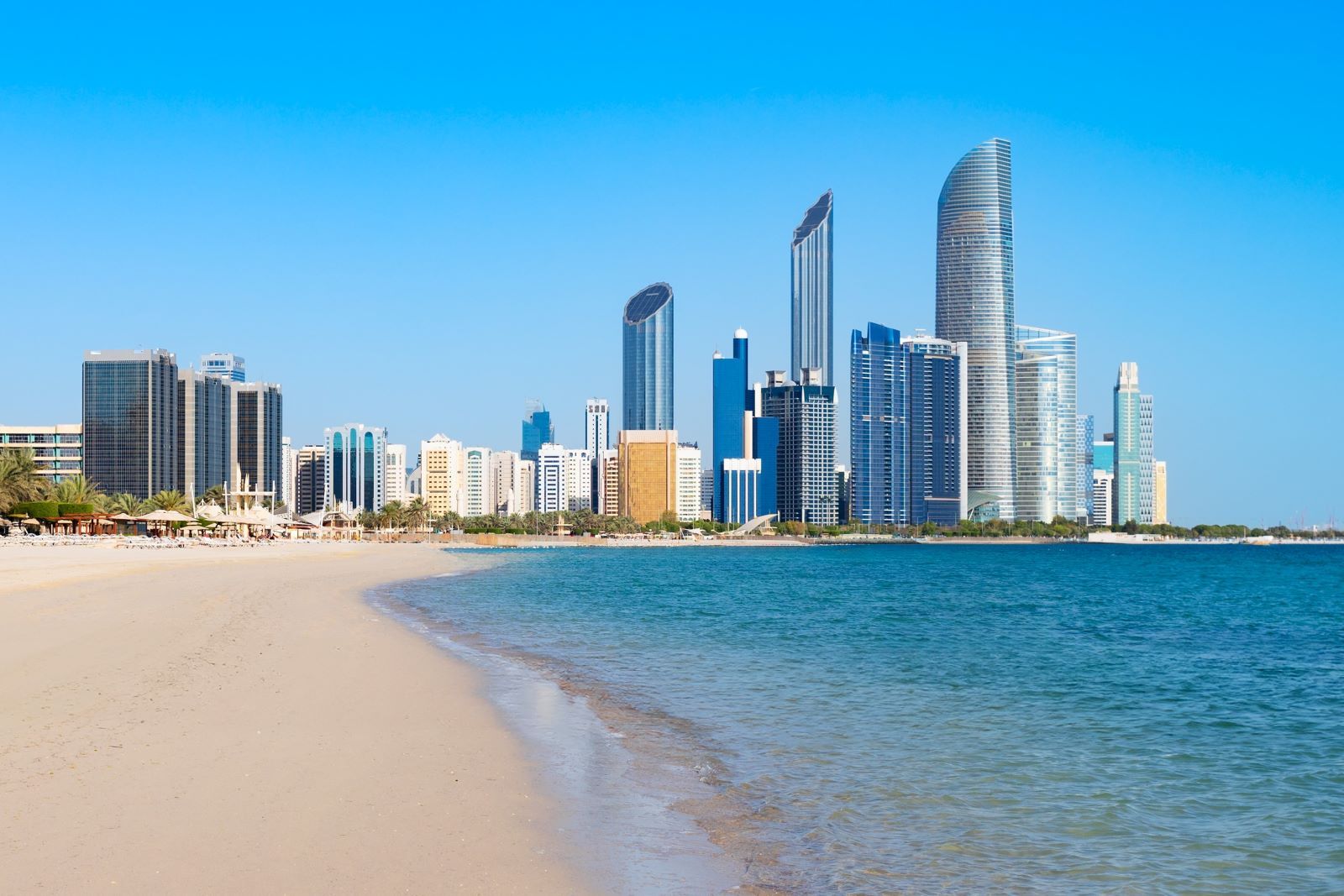
Why Smart Money Is Paying Attention
Abu Dhabi's real estate market has become one of the region's most-watched. According to DARI, the capital recorded over AED 61 billion in sales so far in 2025, a 202% increase over five years. The growth has been driven by value rather than volume, as European families, UK-based family offices, and long-term investors choose Abu Dhabi as a lower-density, more considered alternative to Dubai's pace.
In April 2019, Abu Dhabi opened designated districts, including Saadiyat, Yas and Jubail, to foreign freehold ownership. Suddenly, addresses that had been off-limits were available – waterfront apartments, villas, plots and branded developments.
Since then, capital has been flowing in steadily. European families, Asian funds, and investors who think beyond the next property cycle are all drawn by the same qualities that define the city itself: cultural character, security, and long-term planning. Homes valued at AED 2 million or more in certain districts may qualify for the Golden Visa, though criteria vary by emirate and financing. According to Aldar, both off-plan and mortgaged properties can count, provided conditions such as bank NOCs and percentage payments are met.
Abu Dhabi residential prices rose by about 17.3% year-on-year in Q2 2025, with average values at roughly AED 1,230 per sq ft across the emirate. Villas have shown especially strong gains – Saadiyat Island properties rose about 28% while Yas Island villas gained around 22%.
Experienced investors know timing matters, though not always in the way most people would expect. The best entry points often come just before the next infrastructure phase begins.
Where Location Matters
Saadiyat Island
Saadiyat has the Louvre Abu Dhabi and some of the capital's best beaches, including Saadiyat Public Beach and Soul Beach. The developments stay low-rise rather than sky-high towers, which keeps things quieter. Areas like Hidd Al Saadiyat and Saadiyat Beach Villas offer large beachfront homes that rarely come back to market. Properties here regularly sell in the multi-million dirham range.
Al Jubail Island
Al Jubail sits between Saadiyat and Yas, surrounded by protected mangroves – the island is planned as low-density development – with waterfront plots and villa clusters spread across six villages. Buyers get options for privacy and direct access to natural surroundings. The positioning and masterplan make it one of Abu Dhabi's most anticipated residential areas.
Yas Island
Yas combines leisure and residential life around some well-known attractions. The Formula 1 circuit, Yas Links golf course, and attractions like Ferrari World and Warner Bros. World keep the island busy year-round. Areas like Yas Acres provide villa living, while branded residences at Yas Bay add to the lifestyle options. The mix of attractions and residential choice has made Yas one of Abu Dhabi's most active markets.
Al Maryah Island
Al Maryah Island is Abu Dhabi's financial district, home to the Abu Dhabi Global Market (ADGM) and The Galleria Al Maryah Island, one of the city's main retail and dining destinations.
Residential developments sit alongside office towers, bringing hotel-standard amenities to the waterfront. The Rosewood and Four Seasons both operate here, appealing to buyers who want a central location with restaurants, shops, and hospitality within walking distance.
Best advice: focus on beachfront or Louvre-adjacent plots on Saadiyat. The cultural district expansion plans are not public yet, but proximity to existing institutions will matter when they are.
Reading the Market
Abu Dhabi’s current growth is not just about price appreciation but also about the changing investor profile. The market is drawing family offices, sovereign funds, and institutional capital looking for stability and long-term holdings. Global uncertainty is pushing serious wealth toward markets that offer regulatory predictability and infrastructure.
The supply side tells its own story. Unlike markets where new projects launch monthly, Abu Dhabi’s pipeline is deliberately controlled. Saadiyat’s masterplan limits building heights. Yas has been developed under a staged framework. Al Jubail is intentionally low-density around protected mangroves. This is a city that builds consciously, whose vision is predicated on a more restrained and organic approach.
Read More: Abu Dhabi’s Luxury Real Estate Market Trend
Off-Plan in Abu Dhabi
Abu Dhabi's off-plan market has become one of the most reliable in the region, backed by controlled supply and developers who. The Abu Dhabi Real Estate Centre reported AED 25 billion in transactions in Q1 2025, up 35% year-on-year, which shows investor confidence remains strong. Major developers such as Aldar continue to deliver large-scale projects on time.
The numbers support this approach. Bayut's data from the first half of 2025 shows luxury apartments on Saadiyat and Yas Island rising in cost, while yields stay competitive too – 7.15% returns on Yas and 6.58% on Al Raha Beach.
The appeal here is less about quick returns and more about securing an address in the city's next wave of growth. Projects like Saadiyat Lagoons and Hudayriat's Nawayef West offer limited supply and growing infrastructure. Abu Dhabi's off-plan market works as a long-term incentive where lifestyle and investment value can align.
Why Yields Tell Only Part of the Story
Gross yields of 5.5 to 7 per cent are achievable in districts such as Yas and Saadiyat, according to recent market trackers. That is competitive against London’s 3 to 4 per cent or similar ranges in New York. Apartment rents climbed around 10 per cent year-on-year in the first quarter of 2025, with stronger gains in high-end areas. Yet yield is only part of the story.
The deeper appeal is how prime stock holds its value. Supply is limited, quality standards are high, and volumes are controlled. Capital values do not swing wildly with every cycle. Investors find they are getting rental income along with something rarer: genuine value preservation over time, in a world where steady performance has become its own form of luxury. Properties above AED 5 million also tend to show stronger yield stability. The ultra-prime segment is still modest enough but each sale influences the overall market.
Read More: Why Invest in Abu Dhabi?
Inside the Private Market
Luxury real estate in the capital operates on a smaller scale, which makes relationships essential. The best opportunities rarely reach public listings. Private beachfront sales on Saadiyat or pre-launch allocations on Yas move quietly, through seasoned agents and networks built on trust.
At Abu Dhabi Sotheby’s International Realty, our team works with this exact approach to leverage long-standing relationships with developers and private owners to give clients access to opportunities that rarely surface online. It is a method built on discretion, heritage, and trust, turning property acquisition into something closer to a long-term partnership.
In a market this relationship-driven, experience and access make all the difference.
To learn more about prime residential opportunities in Abu Dhabi, reach out to the team at Abu Dhabi Sotheby's International Realty.
The Golden Visa
The Golden Visa has reshaped the market. Properties above AED 2 million now come with renewable residency for families, turning real estate into a long-term planning tool as much as an investment. According to official Abu Dhabi criteria, the property may be off-plan or mortgaged provided certain conditions are met.
For ultra-high-net-worth individuals considering the Gulf, the attraction lies in certainty. Family office relocations to the UAE hit record levels in 2024, with many citing the visa’s stability and Abu Dhabi’s cultural sophistication as decisive factors.
Taking the Long View
Abu Dhabi's luxury market is still writing its story. The cultural investments are paying off, the infrastructure continues to expand, and the city's appeal to global wealth is building momentum. For investors who can see past quarterly performance to generational value, the capital offers what few markets can: genuine scarcity in a region of endless supply.
Read More